
Nervous System Regulation
I’m sure you’ve heard it’s important to regulate your nervous system, but what does that even mean? Let’s chat about it!
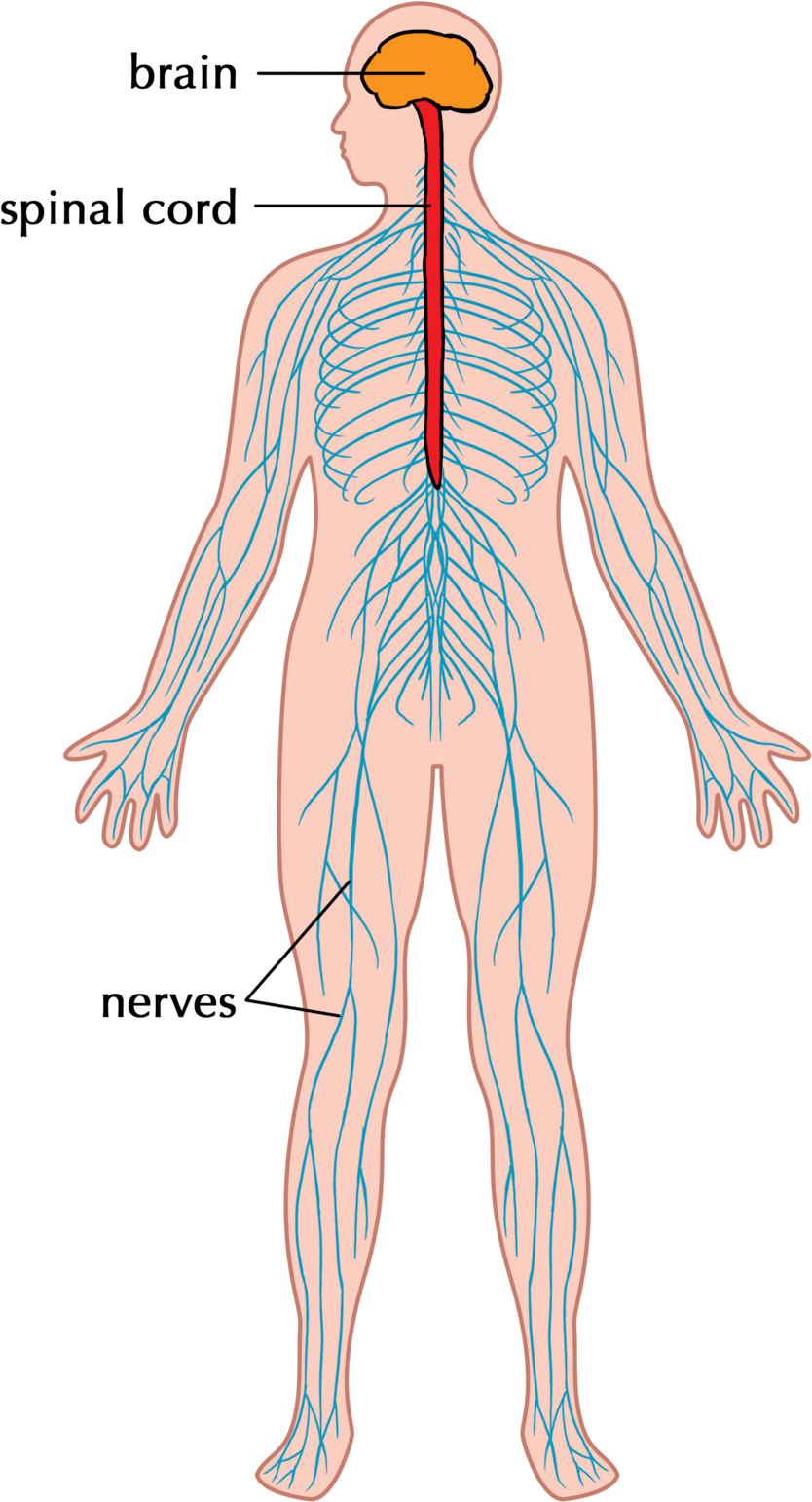
The nervous system is made up of your brain, spinal cord, and all the nerves in your body. It’s responsible for communication between your brain and body, so it basically controls everything. The key to nervous system regulation is safety. We can’t just think our way to safety, we also have to show our body that we ARE safe. Here’s 3 reasons this can be difficult and what we can do about it.
Many with hypermobility syndromes also have another condition called dysautonomia. This is a broad term for the dysregulation of the part of the nervous system that controls automatic processes (breathing, heart rate, blood sugar, etc.) which gives you a genetically unregulated nervous system. Treatment involves addressing which type of dysautonomia you have through electrolytes, compression, and medication.
A lot of people with hypermobility syndromes are also neurodivergent. Not only does this mean our brains are literally wired differently, but we also have differences in communication and language. Add an already anxious or wired nervous system to a society and medical system made for neurotypicals… of course we’re anxious, misunderstood, and it’s so hard to get the answers we need! Learning about your brain, body, and strategies for communication can help us navigate a neurotypical world a little better.
There is connective tissue everywhere, including surrounding your nerves. Signals to and from our joints can impact other systems that tell us where we’re holding our bodies in space. Add more range of motion, and we can have more signals firing all over the place, hence the bumping into walls because we mismatched how close our body was to it.
Ultimately, nervous system regulation is a very wide term. The first step is to make sure you are actually safe where you are at. Then, you can communicate with your body through gentle movement, breathwork, medication, and through therapy. This is true both mentally and physically when you have an injury as you build safety with movement. We’re all in this together!
Loop Earplugs
Lowering your noise level can help if you’re sensitive to sounds or easily distracted by them. I use Loop earplugs in various settings!
Yoga with Adriene
This is my all time favorite channel to use for guided yoga and meditation! Taking time to ground yourself can work wonders on stressy days.
Epsom Salt Bath
Known to be great for sore muscles, an epsom salt bath can be a soothing way to take some time for yourself!
Did you find something here that helped you on your own hypermobility journey? Join our mailing list to get tips like these delivered straight to your inbox every Wednesday!
Blog posts may contain affiliate links to products mentioned. Purchasing through these links helps support Jenna’s work - she may receive commission at no extra cost to you.
This blog is written based on personal experience and is not medical advice. Always ask your doctor for individual concerns and support.